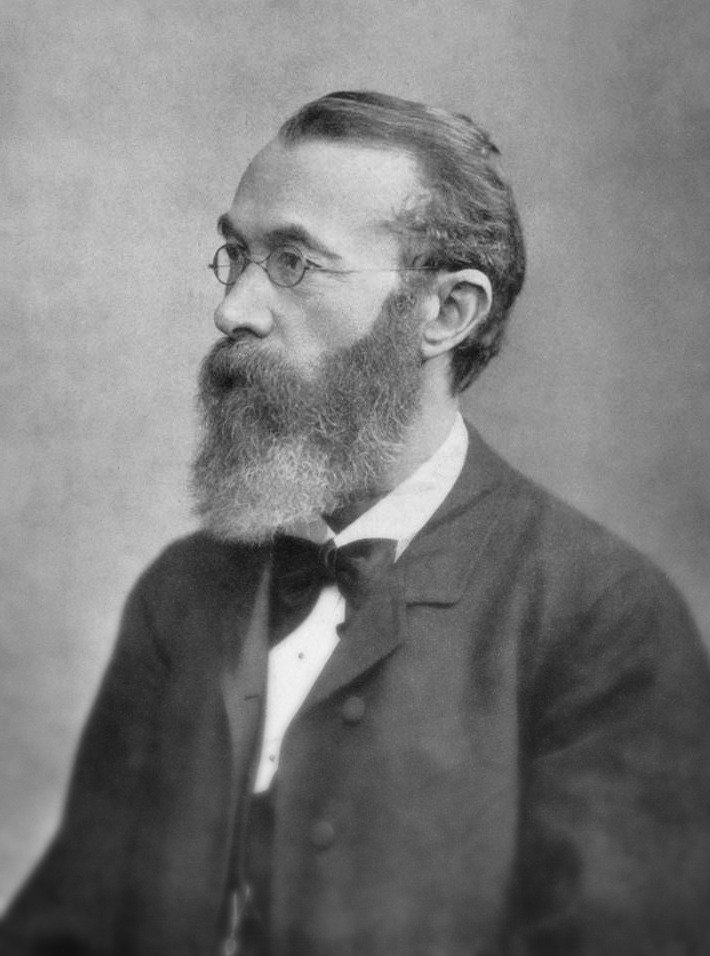
Alfred Binet did not believe that intelligence was fixed at birth. He spent the last decade of his life arguing against the view, and he designed a series of training exercises to demonstrate the alternative. He called them orthéopédie mentale — mental orthopedics. The name was a deliberate analogy to physical orthopedics, the medical discipline that corrects bodily deformities through targeted exercise.
What mental orthopedics actually was
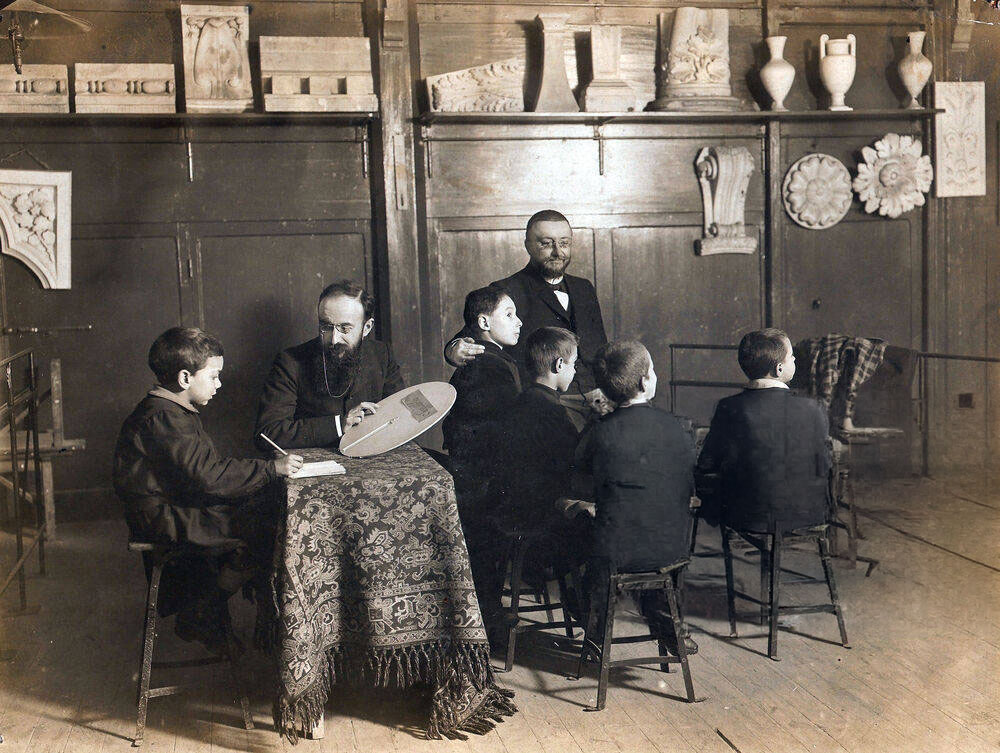
The exercises were practical and concrete. Most of them targeted attention — the cognitive resource Binet thought most often deficient and most responsive to training. Examples included:
- The “immobile” exercise. Children were asked to remain motionless and silent for progressively longer periods. The goal was to build the capacity for sustained concentration that Binet considered the bedrock of all higher learning.
- Memory tasks of increasing difficulty. Repeating sequences, then longer sequences, then the same sequences after a delay.
- Discrimination tasks. Sorting objects by colour, then by colour and shape, then by colour and shape and size.
- Description tasks. Asking the child to describe a picture in increasing detail, building observational and descriptive capacity together.
None of these were novel as exercises. What was novel was the framing: they were not remedial drudgery but orthéopédie, training prescribed for an underdeveloped capacity, with the explicit assumption that the capacity could grow.
Did it work?
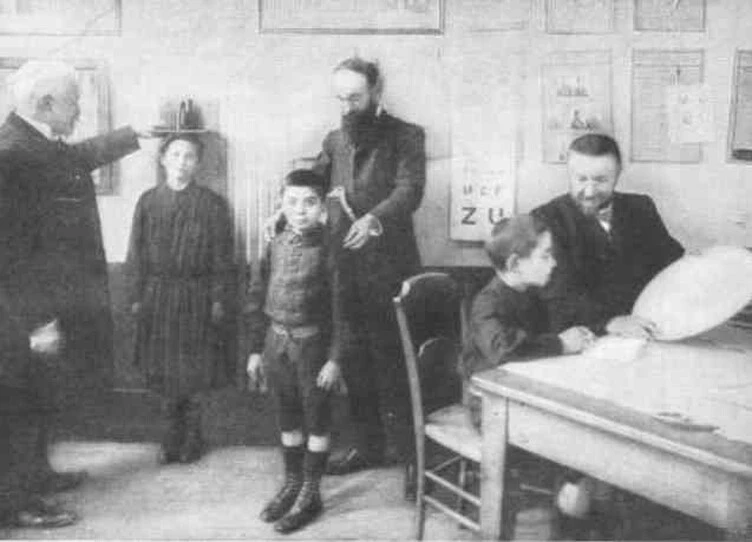
Binet’s own reports said yes. He worked with children at the École de la rue Grange-aux-Belles in Paris — a school founded specifically to test his methods on children who had been classified as intellectually disabled. He documented improvements on his scale of one to two years of mental age in some children after sustained training.
The methodology was not by modern standards rigorous. There were no control groups; the same examiner administered the test, the training, and the re-test. The improvements may have been partly practice effects, partly examiner expectancy, partly genuine cognitive growth. Binet acknowledged the methodological weakness and asked others to replicate the work; few did, partly because his death in 1911 cut short the research programme and partly because the American adoption of the Stanford-Binet under Terman moved the field decisively away from training-based approaches and towards inborn-trait approaches.
What modern research says
The modern literature on cognitive training has converged on a more nuanced version of what Binet found. Practice on a specific cognitive task improves performance on that task; transfer to other cognitive tasks is small and inconsistent; transfer to general Innate Intelligence is real but modest, on the order of 3–5 IQ points after sustained intervention. Working memory and attention are the most trainable; Innate Intelligence and visual-spatial ability less so but not zero.
The more important finding is structural: lifestyle factors that Binet did not study (sleep, exercise, nutrition, treatment of underlying attention or mood disorders) move IQ scores significantly more than any cognitive-training programme yet developed. In this sense Binet was directionally right — intelligence is not fixed, it can be raised through targeted intervention — but the most effective interventions are not the ones he designed.
Why this still matters
The most important thing about mental orthopedics was not the specific exercises but the philosophical commitment behind them. Binet was prepared to act on the assumption that intelligence is plastic. The hereditarian view dominant in his lifetime — and resurgent in ours — produces a different policy: identify the supposedly innately less-able and direct resources elsewhere. Binet’s commitment was to find the children who needed help and give it to them. The Stanford-Binet, used as he intended, is still the cleanest tool for that.
More: about Alfred Binet · selected Binet writings · Théodore Simon

 Secure checkout


